
1. Rapid-Response Rainfall Prediction
🎥Watch CNA Report on YouTube:
As climate change brings more frequent extreme weather events, technology plays a vital role in keeping communities safe.
Developed in partnership with industrial electronics firm Furuno Singapore, this automated rainfall monitoring and prediction system provides PUB with high-resolution radar data to strengthen Singapore’s flood resilience.
"The rainfall monitoring and prediction system underlines our commitment to technological innovation and improves existing flood management measures."
— Yeo Keng Soon, Director of Catchment and Waterways, PUB
2. X-Band Radar Network & 30-Minute Nowcasting
In development since 2016, the system combines real-time feeds from three compact, energy-efficient X-band radars installed across Northern, Eastern, and Western Singapore at the end of 2018.
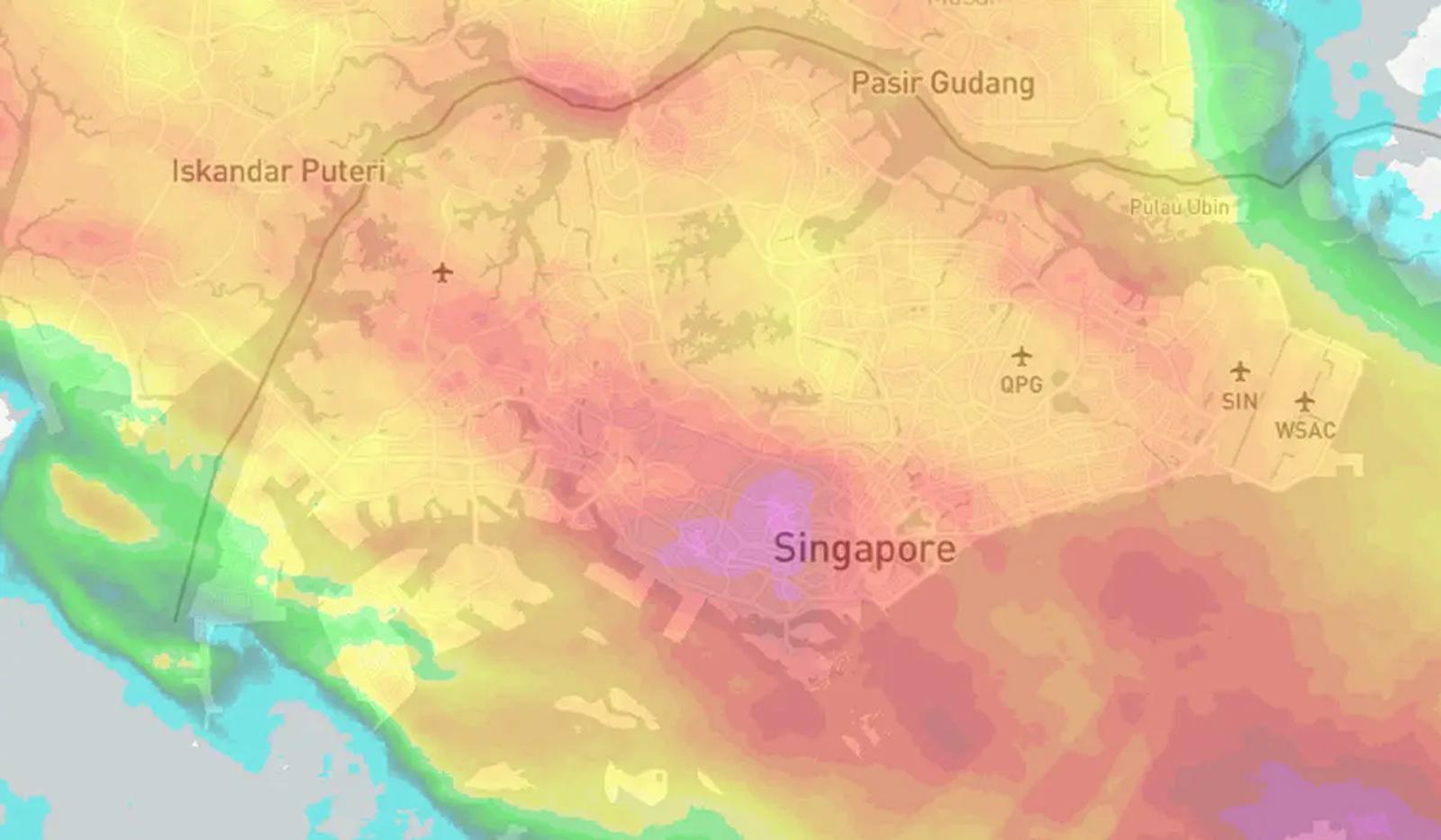
- High-Frequency Scanning: Scanning the sky every two minutes, the radars create an accurate map of real-time rainfall intensity across a 30km to 50km range.
- Predictive Modeling: Data feeds into a nowcast model that analyzes past weather behavior to forecast raincloud movement, growth, and decay.
- Early Warning: The system generates rainfall intensity forecasts 30 minutes in advance with 65% accuracy.
3. Mastering Singapore's Localized Weather
Capturing tropical weather requires granular monitoring because rainfall pattern changes happen within minutes.
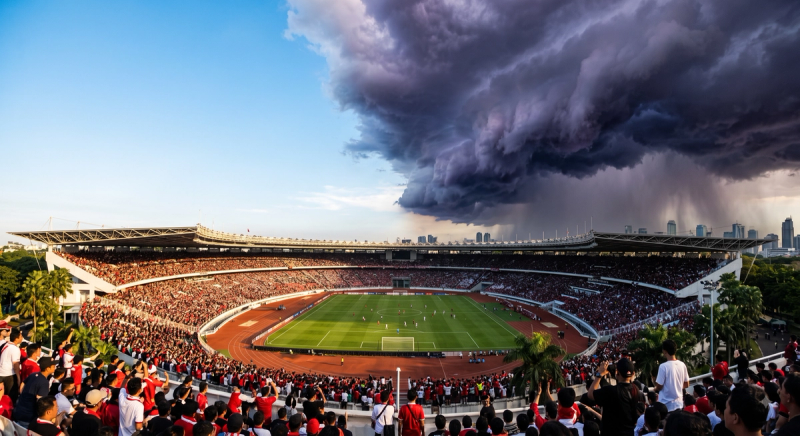
- Hyper-Local Dynamics: Weather in Singapore can change dramatically in under an hour—heavy downpours often hit one neighborhood while areas just a few kilometers away stay completely dry.
- Early Detection: The primary challenge is identifying the onset of a rainfall event early and forecasting its path before localized flooding occurs.
- System Integration: Built by H2i’s specialist team—including Senior Consultant Dr. Albert Goedbloed, Project Manager Meinte Vierstra, and Radar Specialist Keem Munsung—the system features a dedicated web interface fully integrated into PUB’s operational control centers.
4. Operational Action and Future Expansion
By integrating radar feeds with drainage water-level sensors and meteorological data, PUB can make faster operational decisions—such as dispatching Quick Response Team (QRT) vehicles to redirect traffic or deploying temporary flood barriers early.
- Network Expansion: A follow-up project will deploy three additional X-band radars over two years, doubling radar density to overcome urban signal blockages caused by high-rise buildings.
- AI & Machine Learning: Future phases will incorporate artificial intelligence and advanced machine learning algorithms to continually improve forecast accuracy over time.
5. Conclusion & Key Takeaways
Conclusion
By combining compact X-band radar technology with predictive nowcasting models, H2i and PUB have established an early-warning system tailored to Singapore's rapid tropical weather dynamics. As the radar network expands and incorporates machine learning, this initiative sets a benchmark for smart, proactive urban flood management.
Key Takeaways
- 30-Minute Advanced Warning: Predicts raincloud movement and rainfall intensity up to 30 minutes ahead with 65% accuracy.
- 2-Minute Updates: Three strategically placed X-band radars scan the skies every two minutes for real-time monitoring.
- Proactive Response: Integrates with drainage sensors to trigger early deployment of Quick Response Teams and flood barriers.
- Expanding Radar Coverage: Planning three additional radars to eliminate urban building obstructions and applying AI/ML for continuous accuracy gains.